
Hello! Welcome to Reignite Health, Bokz the Bio here ready and happy to educate you more on health so you can reignite your health.
Today’s topic will be looking at how the core facilitates effective breathing, and what is diaphragmatic breathing?
So firstly why, and how do we breathe?
Breathing is an important function that allows for life on Earth. We breathe to allow the body to take in oxygen, from the surrounding air, and remove carbon dioxide from the body. Oxygen is necessary as it is used to make energy in all bodily processes. Digesting food, thinking, moving around, even sleeping all require energy. During this process of breaking down oxygen into usable components to make energy, waste products are made. Mainly carbon dioxide. Carbon dioxide is then expelled from the body through breathing and the process repeats itself.
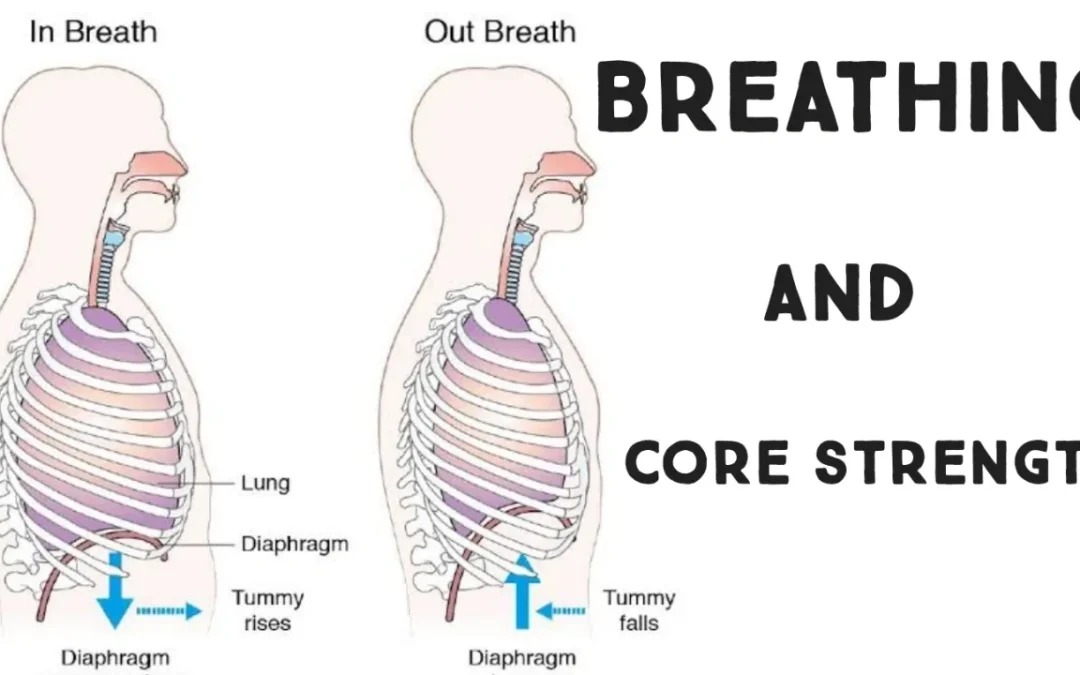
We breathe in and out through our respiratory system. This system involves our nose, mouth, throat, larynx (voice box), trachea (windpipe), bronchi (airways), and the lungs. The action of breathing in is known as inhalation, and breathing out is known as exhalation. There are three primary groups of muscles that assist in breathing; the intercostal (in between the ribs) muscles, the diaphragm, and the abdominal muscles. During inhalation, we pull air in through the nose and/or mouth. This air travels down to the bronchi (airways) and then into the lungs. In the lungs the bronchi divide further into many small air sacs known as alveoli. Oxygen is absorbed into the bloodstream at this level. It then travels into the heart and is pumped out of the heart to the rest of the body for use. During exhalation, carbon dioxide travels from the organs into the bloodstream and back into the heart where is pumped back into the lungs. Carbon dioxide is then taken up by the alveoli. Air is then pushed up through the bronchi and out of the nose and/or mouth. The chest and stomach expand during inhalation to allow more air into the lungs, and thus more oxygen. The chest and stomach relax during exhalation pushing air, and thus carbon dioxide, out of the lungs.
What role do muscles play in breathing?
Two main muscles contract when we breathe in. The external intercostal muscles and the diaphragm. The external intercostal muscles are situated in between each rib and actively expand the chest. The diaphragm sits below the lungs between the chest and the abdomen. It contracts increasing the space in the chest for the lungs to expand and fill with air. Contraction of the diaphragm can be seen by the stomach expanding when we breathe in.
When we breathe out the diaphragm and external intercostals relax lessening the space in the chest forcing the lungs to become smaller and push air out. Involvement from other muscles is minimal when we are not exerting ourselves. But if we want to push air out of the lungs more forcefully the abdominal muscles and other intercostal muscles assist.
How does a strong core facilitate breathing?
The core is a term for a group of muscles that can be found in the centre of our bodies. A strong core provides the hips and spine with stability thus promoting proper posture. When we stand upright, our chest is less compressed and our lungs have more room to expand. A strong core will also benefit us when we doing activities of daily living or more strenuous activities. Being able to take deeper breaths in and actively contract our core to breathe out when doing these activities will stop us from getting tired quicker as less effort will be needed to breathe.
What is diaphragmatic breathing?
This is an exercise for your diaphragm to promote effective breathing. The focus is consciously strengthening your diaphragm to use your lungs to their full capacity. The exercise can be done sitting or lying down.
Steps:
- Place your hand on your stomach
- As you breathe in, push your stomach out so that your hand rises.
- As you breathe out, relax your stomach so that your hand drops.
Breathe in for 4 counts, and out for 4 counts. Try have your stomach move more than your chest. Your shoulders should not rise when doing this exercise. As your breathing improves breathe in for longer and out for longer. Also try this breathing technique when doing activities like walking, working, driving, cooking, cleaning, and exercising.
Although the core may not directly play a role in breathing, having a strong core promotes proper posture when doing activities which in turn has a positive effect on breathing. Being able to utilise your core for forceful exhalation during exertion also promotes effective breathing and energy conservation. Remember breathing in by pushing you stomach out give room for the diaphragm to contract. When the diaphragm contracts, the space in the chest increases giving the lungs room to expand and take in more oxygen-rich air.
Looking For A Biokinticist In Fourways?
Book an assessment with Bokamoso Mthimkulu Biokineticist at Reignite Health and discover how exercise can help reduce the effects of chronic inflammation, improve your mobility, and support a healthier, more active life.
Wishing you a lovely week ahead. Chat soon.
Bokz the Bio
Everybody has the ability to take control of their own health
Email: bmbio@reignitehealth.co.za